
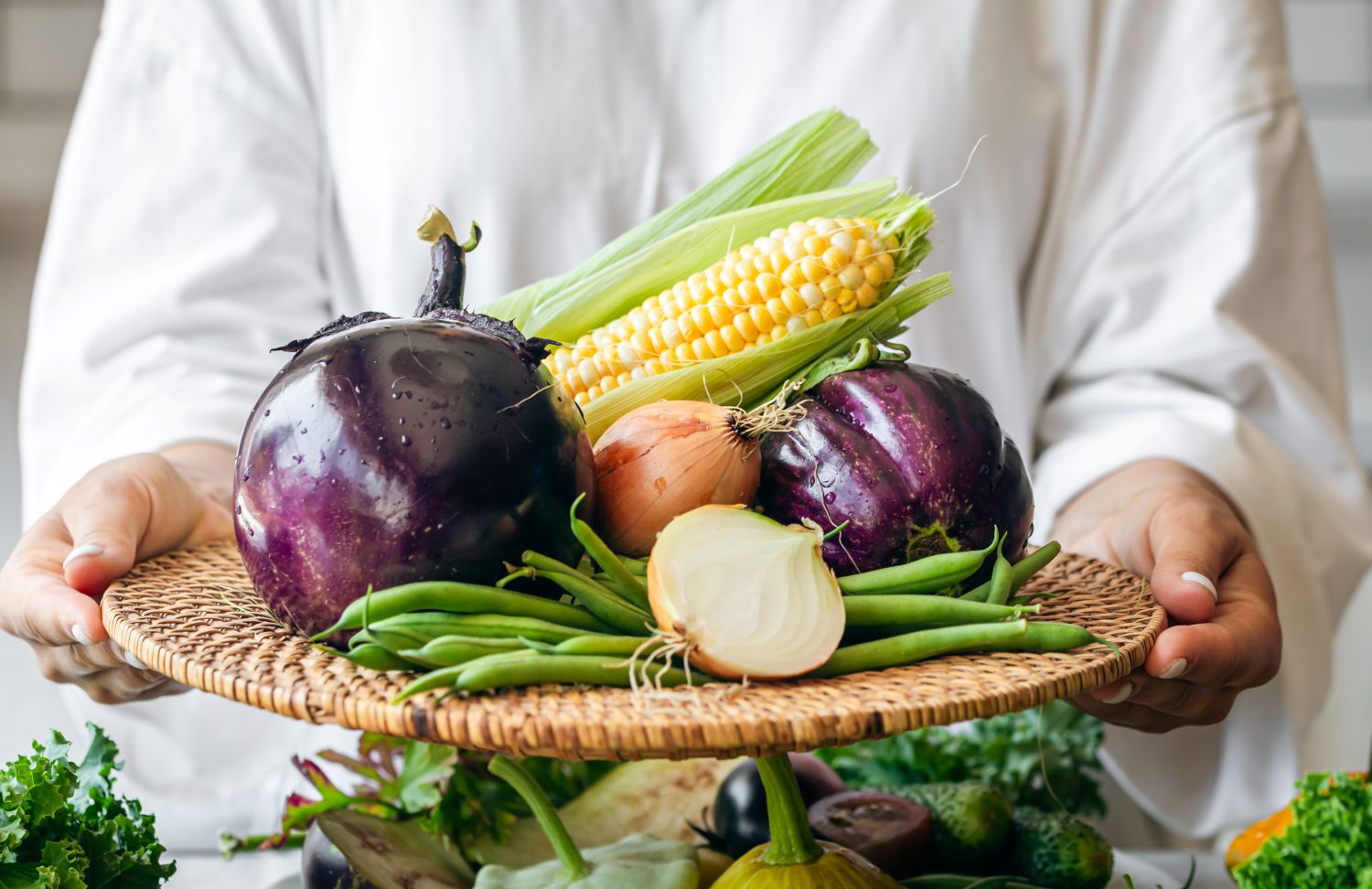
Vegetables are often heralded as the cornerstone of a healthy diet, packed with essential vitamins, minerals, and fiber. However, not all vegetables are created equal, and some can pose risks if consumed in excess or prepared improperly. This article explores popular vegetables that require cautious consumption, highlighting their potential health concerns and how to enjoy them safely.
1. Spinach
Potential Concerns
Spinach is a nutrient-dense leafy green known for its high levels of vitamins A, C, and K, as well as iron and calcium. However, it also contains oxalates, which can interfere with calcium absorption and contribute to kidney stone formation in susceptible individuals.
Safe Consumption Tips
- Moderation: Enjoy spinach in moderation, especially if you have a history of kidney stones.
- Cooking: Cooking spinach can reduce its oxalate content, making it safer for consumption.
2. Rhubarb
Potential Concerns
Rhubarb is often used in desserts and jams, but it contains oxalic acid, particularly in its leaves, which are toxic and should never be consumed. The stalks are safe to eat but should still be consumed with caution.
Safe Consumption Tips
- Avoid Leaves: Always discard the leaves and only consume the stalks.
- Cooked Preparations: Cooking rhubarb can help reduce its acidity and enhance its flavor, making it more palatable.
3. Potatoes
Potential Concerns
Potatoes are a staple food in many diets, but they can be problematic if consumed in certain forms or conditions. Green potatoes contain solanine, a toxic compound that can cause nausea, headaches, and neurological issues. Additionally, fried potatoes can lead to unhealthy fat consumption.
Safe Consumption Tips
- Storage: Store potatoes in a cool, dark place to prevent greening.
- Peeling: Peel any green areas before cooking, and avoid eating sprouted potatoes entirely.
- Cooking Methods: Opt for baking, boiling, or roasting instead of frying to maintain health benefits.
4. Tomatoes
Potential Concerns
Tomatoes are rich in vitamins and antioxidants but belong to the nightshade family, which can trigger sensitivities in some individuals. They contain solanine and tomatine, which can contribute to digestive issues for those with gut sensitivities or autoimmune conditions.
Safe Consumption Tips
- Moderation: Consume tomatoes in moderation if you have a known sensitivity to nightshades.
- Cooking: Cooking tomatoes can help break down some of the compounds that may cause discomfort.
5. Peppers
Potential Concerns
Like tomatoes, peppers are also part of the nightshade family. They are nutritious but may cause digestive discomfort or inflammation in sensitive individuals. Additionally, hot peppers contain capsaicin, which can lead to gastrointestinal upset if consumed in excess.
Safe Consumption Tips
- Low-Sensitivity Varieties: If you experience discomfort, consider consuming milder bell peppers instead of hot varieties.
- Cooking Methods: Cooking peppers can sometimes make them easier to digest.
6. Brussels Sprouts
Potential Concerns
Brussels sprouts are a cruciferous vegetable rich in nutrients, but they can cause gas and bloating due to their high fiber and sulfur content. This can be particularly problematic for individuals with sensitive digestive systems.
Safe Consumption Tips
- Gradual Introduction: If you’re not used to high-fiber foods, gradually introduce Brussels sprouts into your diet to allow your digestive system to adapt.
- Cooking Techniques: Cooking Brussels sprouts thoroughly can help reduce their gas-producing effects.
7. Asparagus
Potential Concerns
Asparagus is a nutrient-rich vegetable with numerous health benefits, but it can cause digestive issues for some people, particularly when consumed in large quantities. It also contains purines, which can lead to elevated uric acid levels in susceptible individuals.
Safe Consumption Tips
- Moderation: Enjoy asparagus in moderation, especially if you have a history of gout or kidney issues.
- Cooking: Cooking asparagus can help make it easier to digest.
Conclusion
While vegetables are essential for a balanced diet, it’s important to be aware of certain types that may require cautious consumption. By understanding the potential concerns associated with these popular vegetables and following safe consumption tips, you can enjoy their health benefits without adverse effects. As with any dietary choice, moderation and mindfulness are key to maintaining a healthy and enjoyable eating experience. Always consult a healthcare professional or nutritionist if you have specific concerns regarding your diet or health conditions.